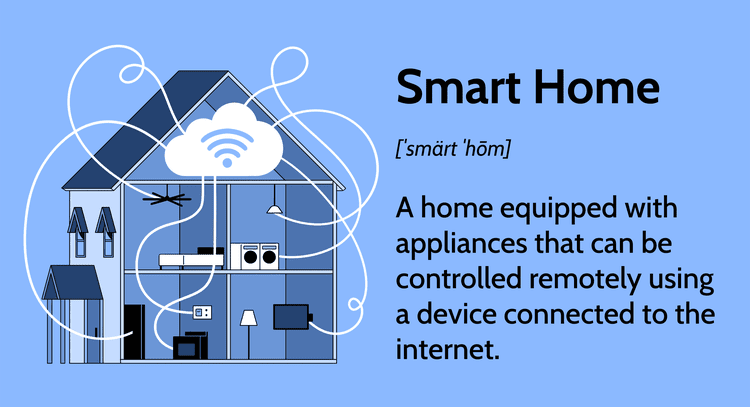
A smart home is a residence equipped with a network of internet-connected devices that allow for the remote monitoring, management, and automation of home appliances and systems. By using a iPhone, iPad, Apple Watch, or Siri, you can control everything from your lighting and temperature to your security cameras and kitchen appliances from virtually anywhere.
Key Components
- Central Hub or Ecosystem: The “brain” of the home, such as Apple HomeKit, which unifies disparate devices into one interface.
- Smart Devices: These are the physical products that perform tasks, including:
- Climate Control: Smart Thermostats that learn your schedule to save energy.
- Security: Video doorbells, smart locks, and cameras that provide real-time alerts and remote access.
- Lighting: Bulbs and switches that can be dimmed, scheduled, or triggered by motion.
- Appliances: Smart refrigerators, ovens, and robotic vacuums.
Primary Benefits
- Convenience: Automate repetitive tasks, like having your coffee brewed at 7:00 AM or your lights dimming automatically for movie night.
- Energy Efficiency: Smart systems can track usage and adjust heating or lighting based on room occupancy, often resulting in lower utility bills.
- Enhanced Security: Receive instant notifications if motion is detected or if you left your garage door open.
- Accessibility: Voice control and automation provide significant independence for individuals with mobility or cognitive disabilities.